A road is more than a strip of asphalt. It is a working system that must carry traffic, shed water, respond to the ground beneath it and remain serviceable through years of weather and use. When a road fails early, the visible defect is often only the final symptom. The underlying cause may have begun with incomplete surveys, weak drainage planning, unsuitable materials or quality checks that happened too late.
Good road construction therefore starts well before equipment arrives on site. The most reliable projects connect investigation, design, execution and maintenance into one clear delivery plan.
1. Define what the road must do
Every sound road brief begins with use. Who will travel the route? What types of vehicles will it carry? How heavy and frequent will those vehicles be? Will the road serve homes, farms, an industrial facility or a growing commercial district? A low-volume access road and a busy haulage corridor place very different demands on pavement, shoulders, intersections and drainage.
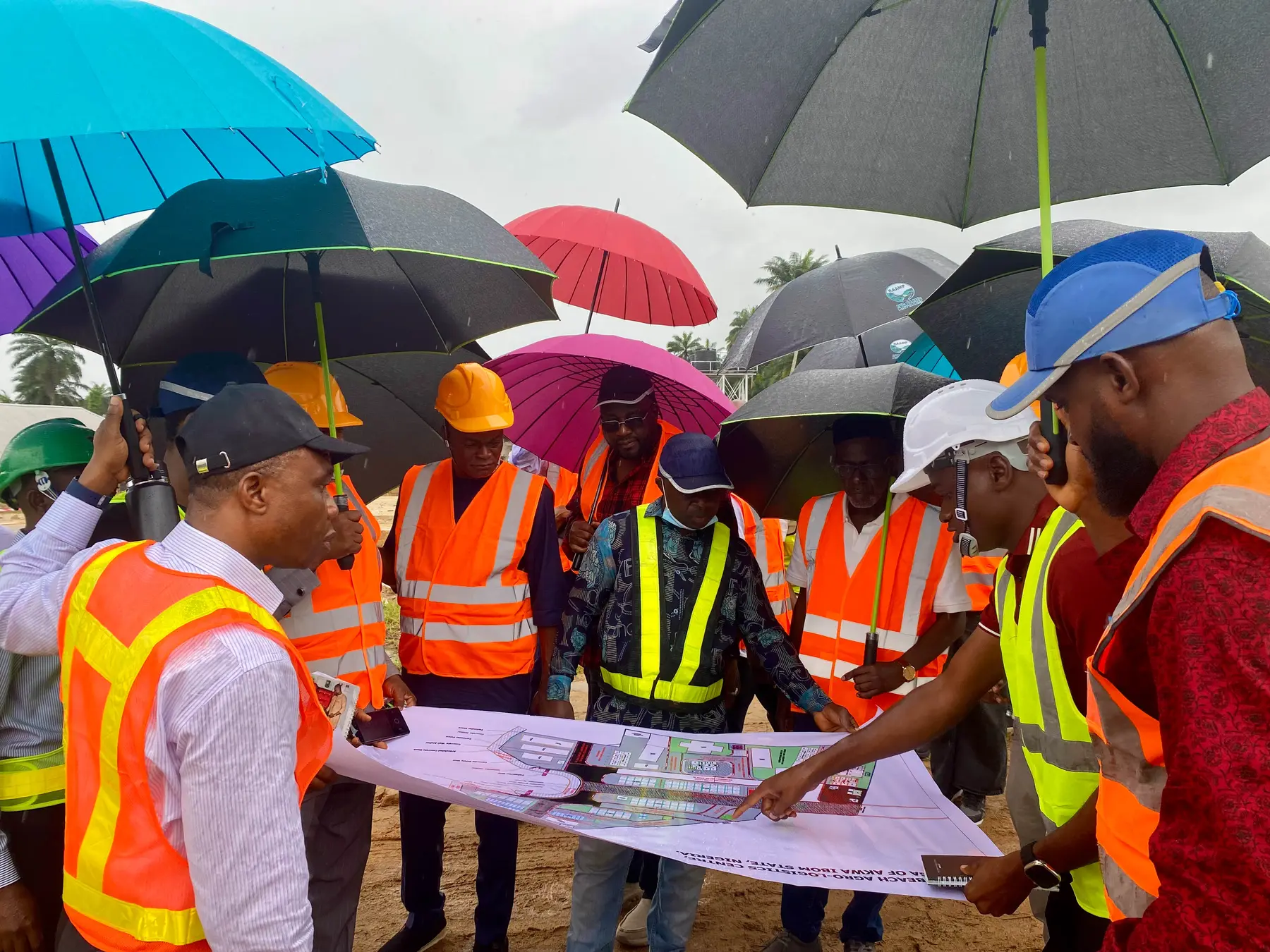
The project team should agree the route, design life, traffic assumptions, safety needs, access points and expected level of service. Land boundaries, utilities and connections to existing roads must also be identified. This early definition prevents a common problem: designing a road that fits today's site but not tomorrow's use.
2. Investigate the ground and the water
A visual inspection is useful, but it cannot replace survey and geotechnical information. Topographic surveys establish levels, slopes and natural flow paths. Soil investigation helps the engineer understand the strength and variability of the subgrade. Existing erosion, soft spots, flood marks and seasonal water movement should be recorded rather than treated as surprises during construction.
The investigation should extend beyond the carriageway. Water approaching from adjoining land can be as important as rain falling directly on the road. Natural channels, downstream discharge points and the effect on neighbouring properties all belong in the same drainage picture.
3. Design drainage as part of the road
Water is one of the greatest threats to pavement performance. It can soften the subgrade, wash material from shoulders, enter cracks and accelerate the loss of structural support. Effective drainage is not an accessory to the pavement; it is one of the conditions that allows the pavement to survive.
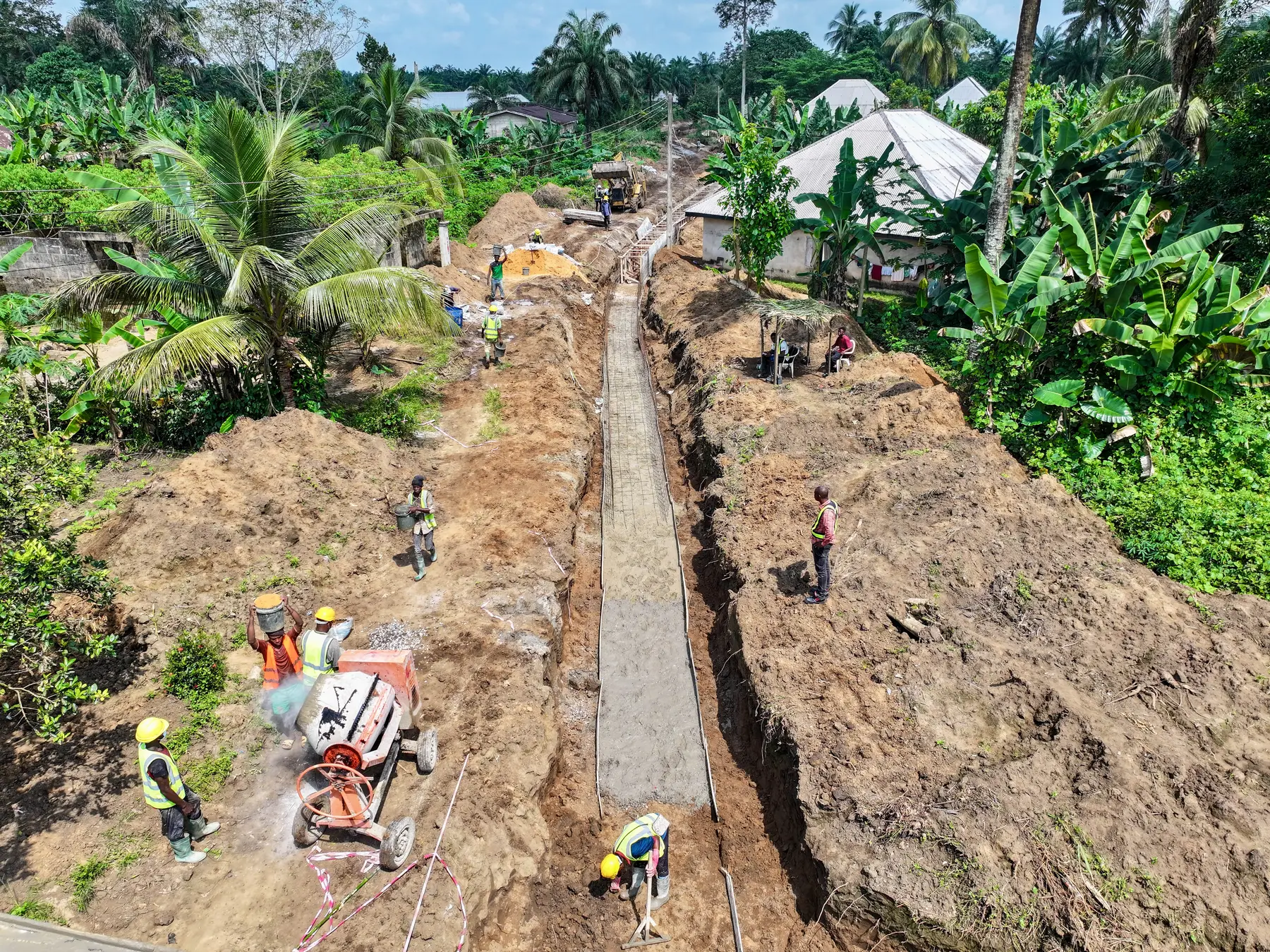
A coordinated design may include suitable crossfall, lined or unlined side drains, culverts, mitre drains, catchpits and protected outlets. Each element must lead somewhere safe. A beautifully formed drain that ends without a workable discharge point simply moves the problem.
4. Build a pavement for the actual conditions
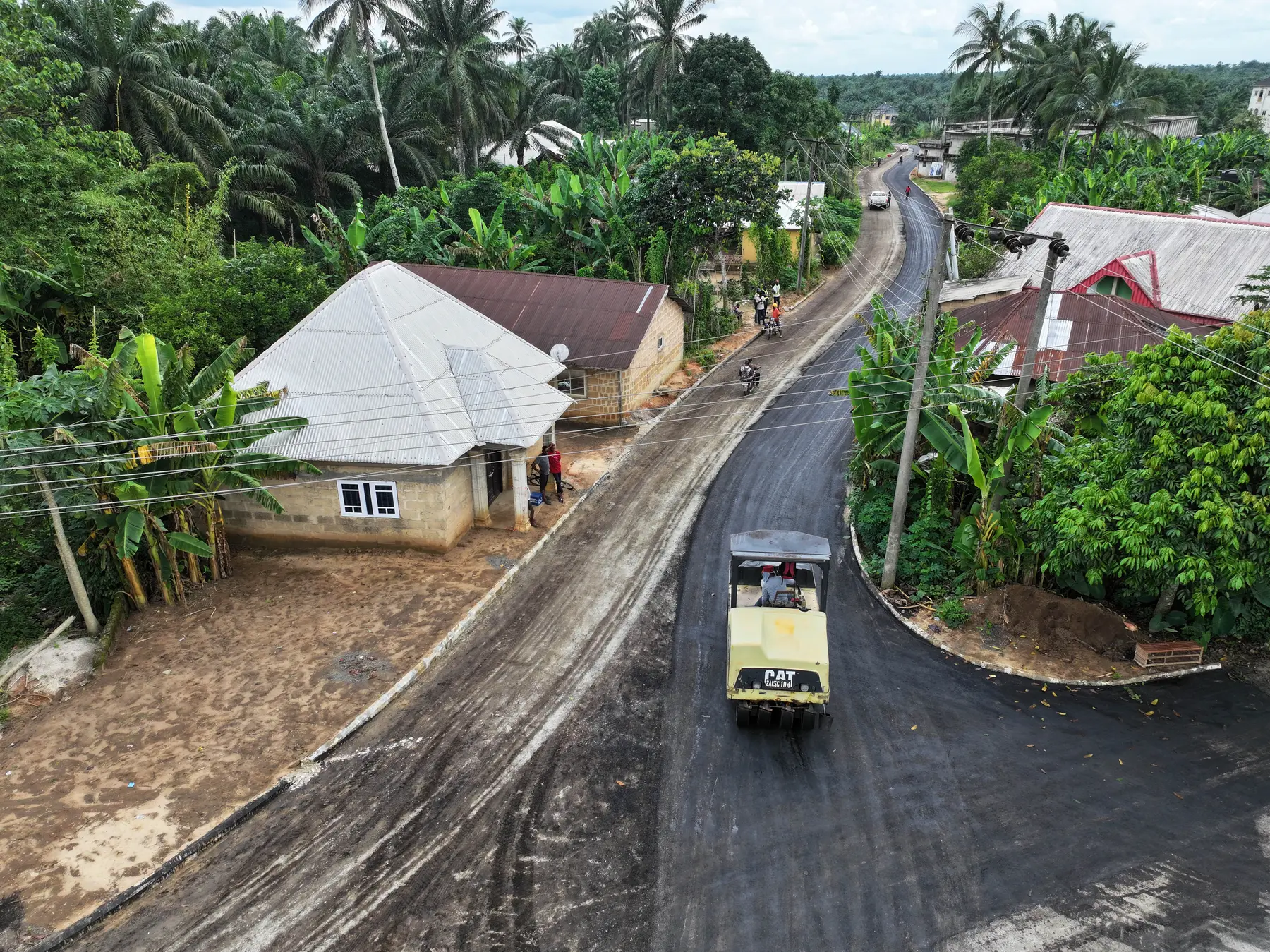
Pavement composition should reflect traffic loading, subgrade strength, material availability, climate and drainage. The solution may include improved subgrade, selected fill, sub-base, base course and a bituminous or concrete surface. Thickness alone does not guarantee performance. The quality of each material, moisture condition and degree of compaction are equally important.
Material sources should be assessed before bulk supply begins. Trial sections can confirm whether the proposed method, equipment and material combination will achieve the required result. Where ground conditions vary along the alignment, one uniform response may not be appropriate.
5. Plan the work sequence
Roadwork is highly dependent on sequence. Clearing, earthworks, drainage, formation preparation, pavement layers and surfacing must be coordinated so completed work is not damaged by the activity that follows. Temporary access and temporary drainage matter too, especially during wet periods.
A practical programme links each work front to labour, plant, materials, inspections and approvals. It should also identify hold points—stages that should not be covered until they have been checked. This makes progress measurable and prevents concealed defects.
6. Control quality layer by layer
Road quality cannot be inspected into the project at the end. It must be built and verified in stages. Typical controls include checking line and level, layer thickness, material grading, moisture content, field density, concrete strength and asphalt temperature or compaction where applicable.
Records matter because they connect a completed section to the materials, test results and approvals behind it. When a result falls outside specification, the response should be documented and resolved before the next layer hides the issue.
7. Protect people and keep access workable
Road projects bring moving equipment, excavations, deliveries and public traffic into the same environment. A site-specific traffic management plan should define diversions, barriers, signage, flagging arrangements, pedestrian routes and safe plant movement. Community communication is especially important where construction affects homes, businesses or daily transport.
8. Plan maintenance before handover
Even a well-built road needs routine care. Drain cleaning, vegetation control, shoulder repair, crack sealing and prompt attention to local damage can prevent small defects from becoming expensive failures. Handover information should identify inspection priorities and any features that require scheduled maintenance.
A durable road is a chain of good decisions
Long-lasting road construction is rarely the result of one exceptional material or one final test. It comes from aligned decisions: a clear brief, reliable site information, drainage that works, an appropriate pavement, controlled execution and planned maintenance. Break one link and the road becomes more vulnerable.
For organisations planning new access, community roads or wider civil works, early technical engagement creates room to make better choices before cost and programme are locked in. Explore ROSHES' civil infrastructure capability or start a project conversation.