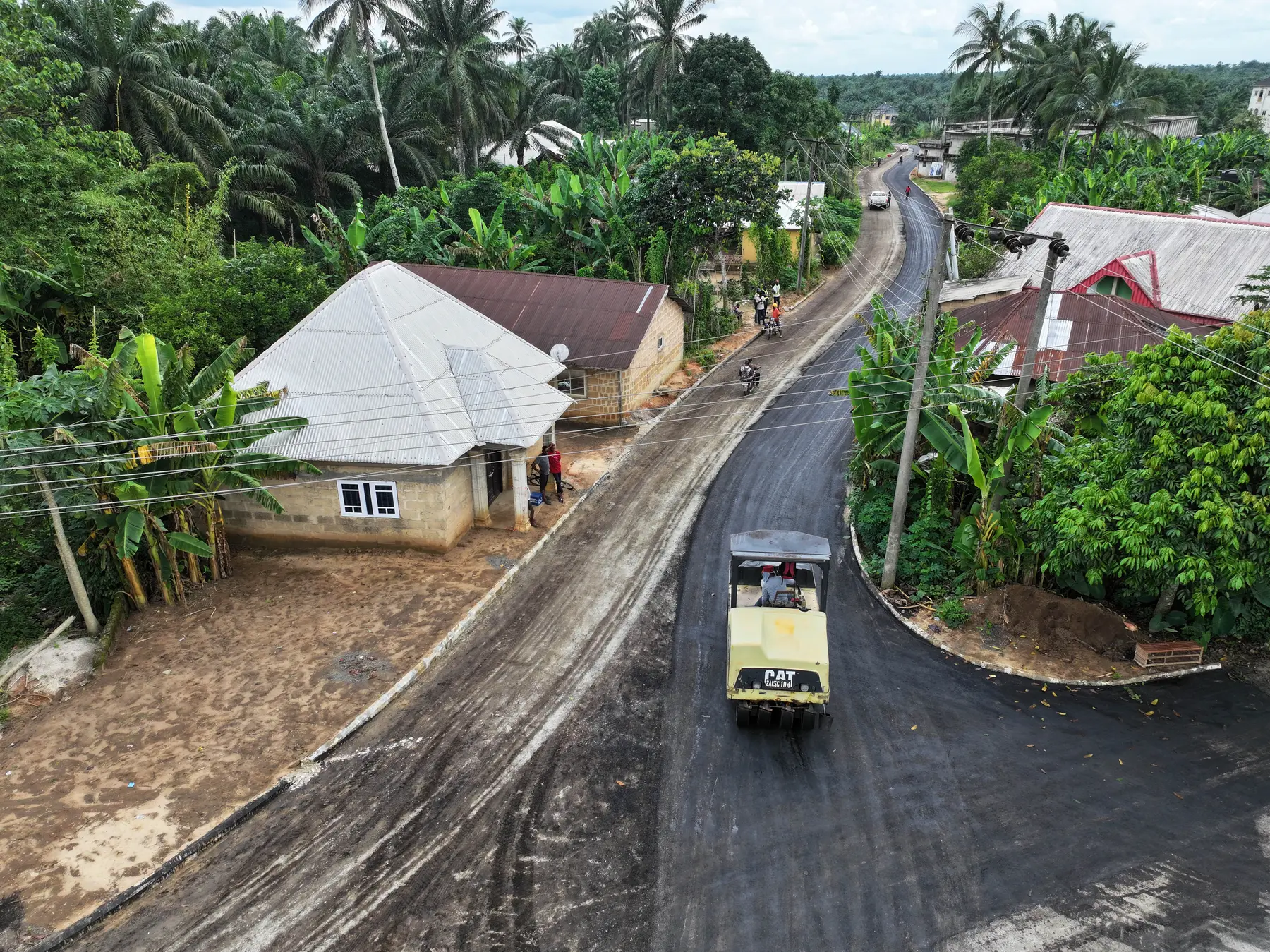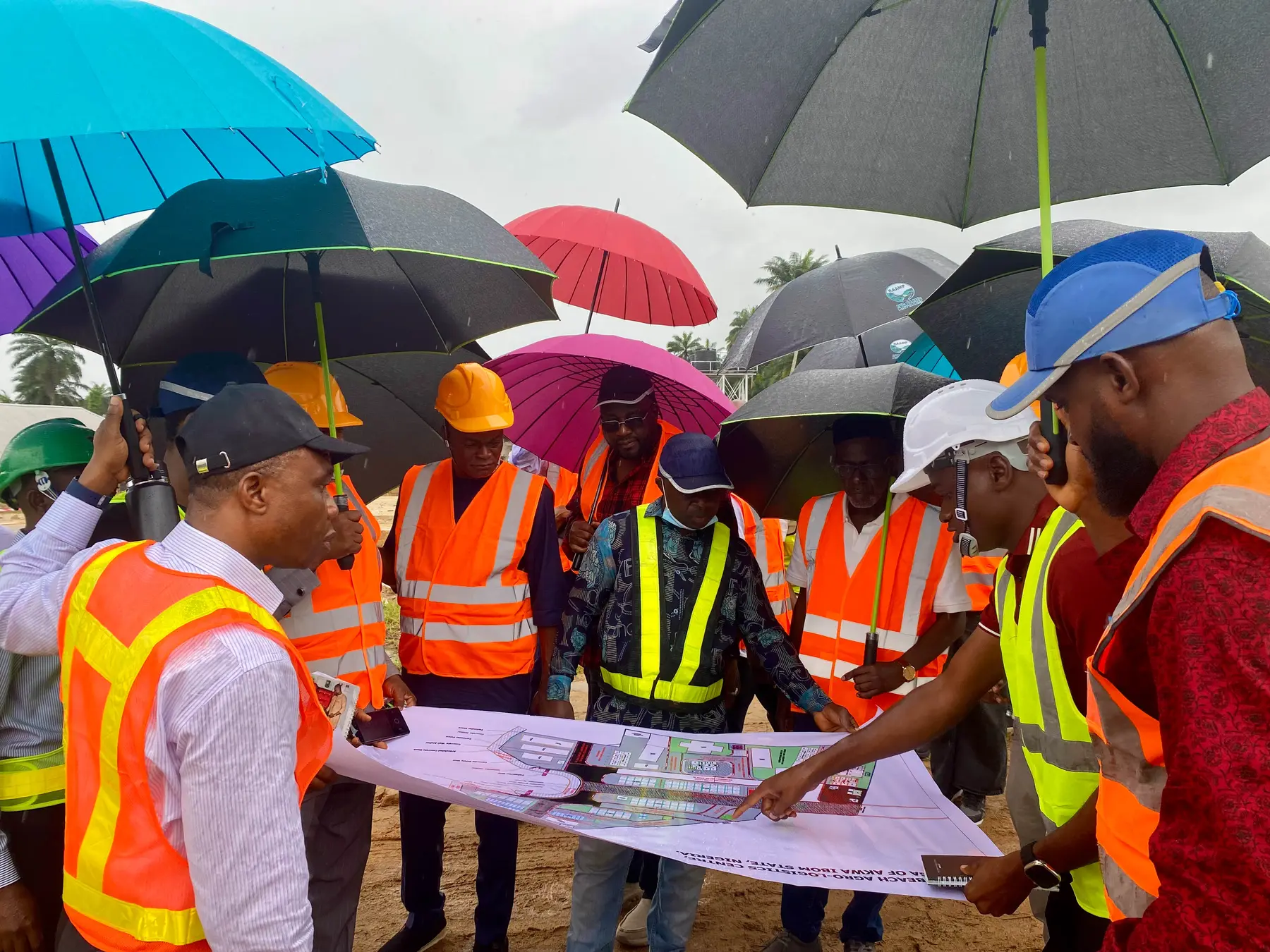
The surface is the most visible part of a road, so it naturally receives much of the attention. Yet a road can have an attractive finish and still deteriorate quickly if water is allowed to remain within or beside the pavement. Drainage is the quiet infrastructure that protects every layer above it.
For road owners and project teams, understanding this relationship changes the order of priorities. Water management is not something to add after pavement design. It should shape alignment, levels, earthworks and the full construction sequence from the beginning.
What water does to a road
A pavement spreads wheel loads through its layers into the supporting ground. When the subgrade or unbound pavement material becomes saturated, it may lose strength. Repeated traffic then produces deformation, pumping, cracking and potholes. At the edges, uncontrolled runoff can scour shoulders and undermine the pavement. Water entering cracks can widen existing damage and carry fine material away.
Not all water comes from rainfall directly on the carriageway. It can flow from higher adjoining land, rise through a high water table, escape from damaged utilities or collect because an outlet is blocked. Effective design considers each source and provides a continuous path from collection to safe discharge.
Surface drainage and subsurface drainage
Surface drainage removes water before it enters the pavement. Road crossfall directs rainfall toward the edge, where channels, kerbs or side drains collect it. Culverts convey flow beneath the road, while inlets and catchpits help manage changes in direction or level.
Subsurface drainage addresses water that reaches or rises into pavement layers. Depending on the site, measures may include free-draining layers, filter material, geotextiles or longitudinal drains. These solutions must be designed around the actual soil and groundwater conditions; they are not interchangeable standard details.
The importance of levels and outlets
A drainage network works by level. Small errors in invert levels can create stagnant sections, reverse flow or outlets that sit above the channel they are meant to drain. Survey control and regular level checks during construction are therefore essential.
The discharge point deserves equal attention. Water should leave the system without causing erosion, flooding another property or damaging a natural channel. Outlet protection—such as an apron, headwall or energy-dissipation measure—may be required where flow is concentrated.
Designing for maintainability
A drainage asset will eventually collect silt, vegetation and litter. If it cannot be reached, inspected or cleared, its performance will decline. Access points, manageable channel geometry and visible flow paths make routine maintenance more realistic.
Covered drains may be appropriate in pedestrian or urban areas, but covers should allow controlled access and be suitable for the loads they will carry. Open drains require safe side slopes, crossings and protection where people move nearby. The right solution balances hydraulic performance with public safety and maintenance.
Construction details that protect performance
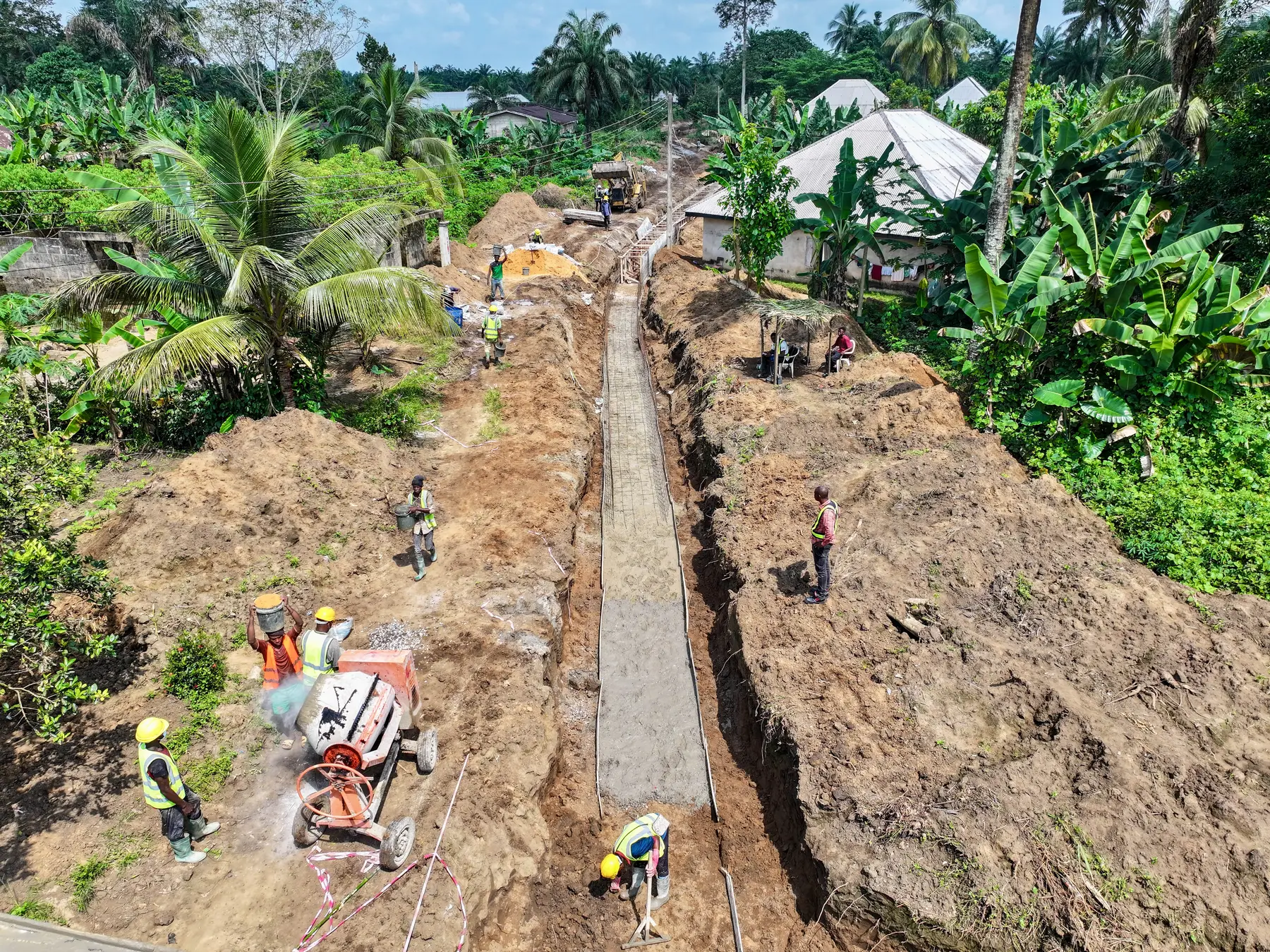
Good drawings still depend on good execution. Excavation must reach stable formation. Bedding and backfill should support pipes and culverts without leaving voids. Concrete drains need correct dimensions, reinforcement where specified, sound joints and adequate curing. Interfaces around culverts must be compacted carefully because differential settlement can create a recurring pavement defect.
Temporary drainage is also critical. During earthworks, exposed soil is especially vulnerable to rain. Diversion channels, pumping arrangements and protected stockpiles help prevent the developing road formation from becoming waterlogged before permanent drainage is complete.
Common warning signs
Standing water after rainfall is the obvious sign, but other indicators appear earlier. Silt lines reveal where water has slowed or escaped. Eroded shoulders suggest concentrated runoff. Vegetation growing in joints can point to persistent moisture. Repeated repairs in the same pavement area may indicate that the water problem beneath the surface has never been addressed.
Inspections should follow heavy rainfall when flow patterns and weak points are easiest to observe. Photographs, marked locations and maintenance records help teams distinguish isolated blockages from a wider capacity or level problem.
Drainage is a lifecycle responsibility
Design capacity is only part of the answer. A drain filled with sediment has little useful capacity, and a blocked culvert can turn the road embankment into an unintended dam. Routine clearing before and during the rainy season, prompt repair of damaged sections and protection of outlets preserve the investment already made in the pavement.
The core principle is simple: keep water away from vulnerable pavement layers, move it through a controlled system and release it safely. When this principle guides both design and maintenance, roads are better placed to serve communities reliably over time.