A compliant site may have policies, signs and protective equipment. A safe site goes further: people recognise hazards, stop when conditions change and believe that concerns will be acted upon. This is the difference between safety as paperwork and safety as culture.
Culture is not a campaign slogan. It is the pattern created by daily decisions—what leaders ask about, what supervisors tolerate, what workers report and what happens after an incident or near miss.
Leadership must be visible in the field
Workers quickly notice whether programme and production pressure override safety commitments. Leaders build credibility when they visit work areas, ask open questions, correct unsafe conditions consistently and provide the time or equipment needed to do work properly.
Useful site conversations are specific. Instead of asking only whether everything is safe, ask what could cause harm during the next activity, what has changed since the plan was prepared and what support the crew needs. The quality of the question improves the quality of the information returned.
Plan the task, not only the project
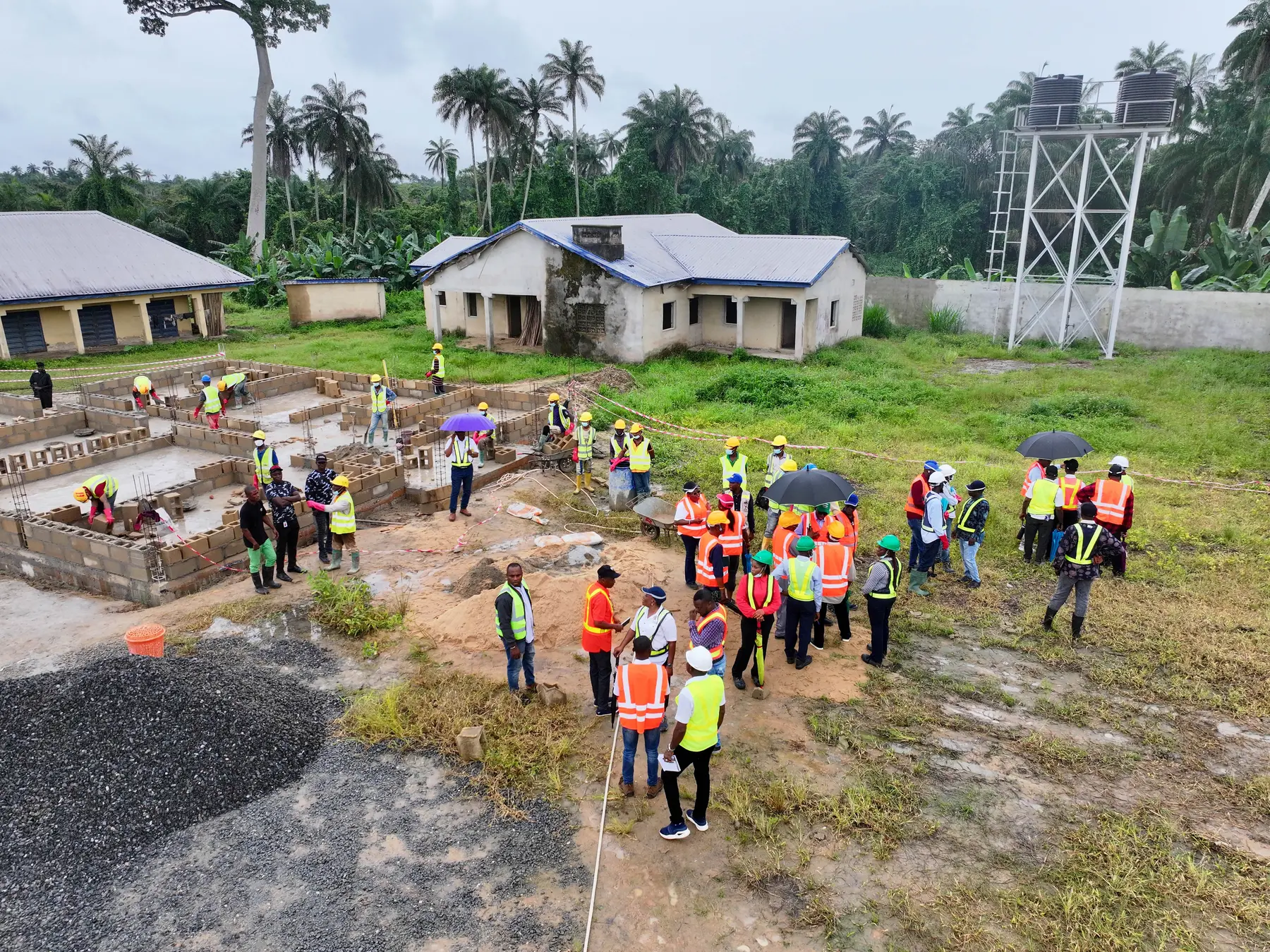
Project risk assessments identify broad hazards, but work changes by location and day. A task briefing should translate the method into the immediate conditions: people, equipment, access, weather, simultaneous operations and emergency arrangements.
The crew should understand the sequence and controls in practical language. If the method changes, the assessment and briefing should change too. A signed sheet is not evidence of understanding if the people doing the work cannot explain the critical risks.
Use the hierarchy of controls
Personal protective equipment is valuable, but it is the final layer of defence. Stronger controls first seek to remove the hazard, replace it with a safer alternative, isolate people from it or engineer exposure out of the task. Procedures, supervision and PPE then support those measures.
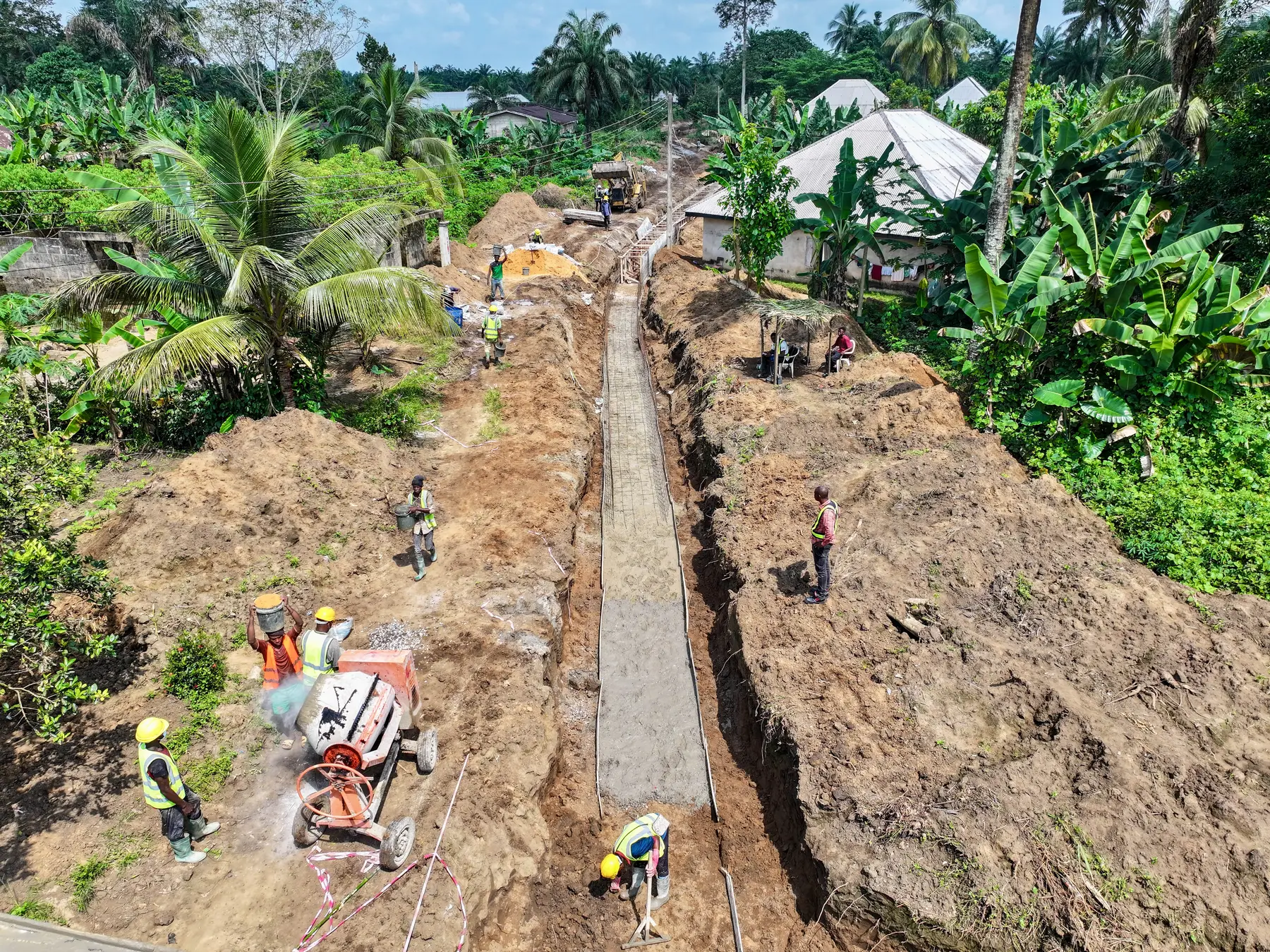
For work at height, for example, the first question is whether the task can be completed from the ground or within a protected platform—not simply which harness to issue. For excavations, safe design, support and exclusion are more reliable than warnings alone.
Make good reporting easy
Near misses and hazard observations are early information. If reporting is difficult or people expect blame, that information disappears. Provide a clear route to raise concerns, respond promptly and communicate what changed because someone spoke up.
At the same time, reporting volume should not become the only performance measure. A large number of low-value observations can hide serious unresolved issues. Review quality, recurring themes, close-out time and the effectiveness of corrective actions.
Strengthen supervision
Supervisors connect plans to field reality. They need enough time, authority and competence to coordinate work, inspect conditions and intervene. When one supervisor is responsible for too many dispersed activities, important changes can go unseen.
Pre-start checks, lifting controls, permit conditions, plant-person separation, housekeeping and access routes require active verification. The aim is not constant policing but creating predictable standards that crews can work within.
Manage interfaces and change
Many construction risks appear between activities: a delivery reversing through a pedestrian route, one contractor working above another, an excavation crossing an access road or temporary power installed near wet work. Coordination meetings and short look-ahead plans help identify these interfaces before they develop on site.
Change should trigger a pause. New equipment, a revised sequence, unexpected ground conditions, poor weather or a different crew can invalidate the original assumptions. Stop-work authority is meaningful only when people can use it without fear of unfair consequences.
Learn beyond the immediate incident
After an event, it is easy to focus on the last action taken by an individual. Better learning asks why that action made sense at the time. Was the method practical? Was equipment available? Had a similar deviation become normal? Were schedule pressures or conflicting instructions present?
Corrective actions should address the conditions that allowed the event, and their effectiveness should be checked later. Adding another instruction to a file is rarely enough on its own.
Include health and wellbeing
Construction safety also includes dust, noise, vibration, manual handling, heat, fatigue and psychological strain. These exposures may cause harm gradually rather than through one visible incident. Work-rest planning, hydration, suitable tools, exposure control and respectful supervision belong within the same HSE system.
Measure what helps decisions
Lagging indicators such as injury rates describe events that have already occurred. Leading indicators can reveal the strength of prevention: critical-control verification, corrective-action close-out, supervisor engagement, training competence and recurring hazard trends. Use a balanced set and investigate the story behind the number.
Safety culture is built one decision at a time
A strong culture appears when the safest method is also the normal method, leaders act consistently and teams learn without waiting for harm. Policies create a framework, but behaviour is shaped on the workface. Every briefing, site walk, intervention and response to a concern either strengthens or weakens that framework.