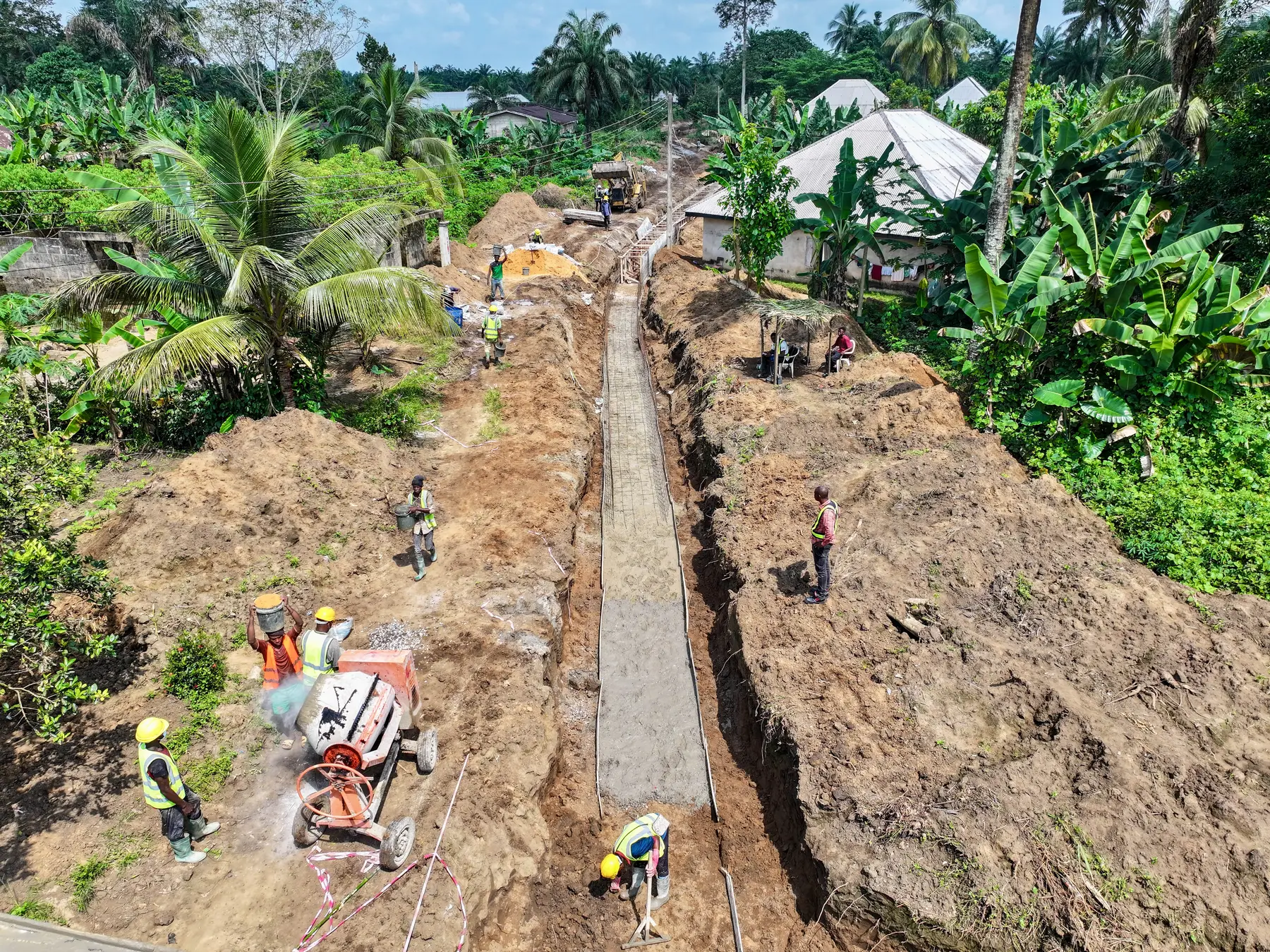

Concrete arrives or is mixed in a workable state, then becomes a permanent structural material. That transition leaves a limited window for the site team to protect quality. A cube or cylinder test is important, but it cannot confirm correct cover, complete compaction, proper joint preparation or adequate curing. Quality control must follow the entire operation.
Before the concrete arrives
Successful pours are prepared, not rescued. Confirm that approved drawings and specifications are available and that the element has passed the required inspection. Check formwork dimensions, line, level, stability and tightness. Form faces should be clean and treated with a compatible release agent where required.
Reinforcement should be checked for size, spacing, laps, anchorage, cleanliness and secure fixing. Cover blocks and chairs must be suitable and sufficient to keep steel in position during the pour. Openings, sleeves, inserts, waterstops and embedded services should already be coordinated.
The team also needs a pour plan. It should cover volume, delivery rate, access, placing sequence, equipment, lighting if relevant, test arrangements, backup measures and the location of any planned construction joint. Clear responsibilities prevent everyone from assuming someone else completed a critical check.
At delivery or batching
Verify the concrete against the approved mix and order. For ready-mixed concrete, review the delivery ticket, batch time, specified grade, quantity and any declared admixtures. Delays should be assessed against the project's acceptance requirements rather than ignored.
Workability testing helps confirm consistency and suitability for placement. The result should be recorded with the location and delivery information. Unauthorised water addition is a serious warning sign: it changes the water-cement relationship and makes the delivered material different from the designed mix.
During placement
Concrete should be placed close to its final position to reduce segregation. Excessive free fall, dragging concrete through congested reinforcement or allowing piles to set before spreading can create non-uniform material. The placing sequence should avoid overloading formwork and should maintain a workable connection between successive batches.
Vibration removes trapped air and helps concrete surround reinforcement and fill corners. Too little vibration leaves voids and honeycombing; excessive or poorly applied vibration can cause segregation. Operators should use appropriate equipment methodically, paying particular attention to congested zones and edges without displacing steel or inserts.
Sampling and strength tests
Samples should be taken, labelled, stored and transported according to the project's test procedure. Each set must be traceable to a particular pour or location. A result without reliable identification has limited value.
Strength results should be reviewed promptly and as a trend, not filed away. An unexpected value may require checking sampling, curing and laboratory handling as well as the concrete itself. The project engineer should determine the appropriate technical response; arbitrary demolition or acceptance is not sound quality management.
Finishing and curing
The required surface determines the finishing method and timing. Working a surface too early can trap bleed water or damage the top layer. External slabs also need the specified falls so water does not pond.
Curing controls moisture and temperature while concrete develops its properties. Methods may include wet coverings, controlled water application, sheeting, curing compounds or leaving formwork in place, depending on the specification and element. Curing should begin at the appropriate time and continue for the required period. Hot, windy conditions can dry surfaces quickly, making early protection especially important.
After the pour
Inspect the element after formwork removal. Record defects such as honeycombing, cracks, damaged edges, misalignment or exposed reinforcement. Repairs should follow an approved method appropriate to the defect; cosmetic patching should not hide a condition that needs engineering review.
Survey checks may be needed to confirm position, level and dimensions. Loading and striking times should follow the engineer's requirements, because concrete that looks hard may not yet have the capacity assumed for the next construction stage.
A concise site checklist
- Approved drawings, pour sequence and inspection release confirmed
- Formwork, reinforcement, cover and embedded items checked
- Concrete source, mix, quantity and access coordinated
- Workability tests and strength samples planned and recorded
- Placement and vibration supervised continuously
- Finishing and curing method ready before the pour begins
- Post-pour inspection, test review and records completed
Quality is the system around the material
Concrete quality is produced by coordinated people, information and controls. When the pre-pour inspection, delivery checks, placement method, testing, curing and records work as one system, the team has a far stronger basis for durable construction than strength testing alone can provide.